
Metal Foam Manufacturer & Porous Materials
Nickel Foam, Copper Foam, Silver Foam & Custom Porous Metal Solutions
Advanced Metal Foam Material Solutions


What is Porous Metal Foam?
Porous metal foam is a new type of engineering material characterized by its three-dimensional, highly interconnected open-cell or closed-cell structure. By introducing a large volume of gaseous pores into a solid metal matrix (such as nickel, copper, or silicon carbide), it combines the structural strength of metals with the unique physical properties of porous materials.
Core Functions
- —High Porosity: Provides an extremely large specific surface area, making it ideal for heat transfer, catalysis, and filtration.
- —Energy Absorption: Effectively absorbs impact and vibration energy, making it useful for explosion-proofing and dampening.
- —Thermal & Acoustic Management: The metal framework allows for excellent heat conduction and sound wave dissipation.
- —Lightweighting: Significantly reduces the weight of structural components without compromising metallic strength.
Technical Principles
Metal foams operate on the principle of structural engineering at the microscopic level. Instead of changing the chemical composition of the metal, the manufacturing process (such as electroplating on polymer foams, powder metallurgy, or sintering) creates a matrix of hollow voids. Think of it like a natural sponge made of solid metal: the interconnected ligaments provide structural integrity and conductivity, while the empty pores allow fluids, gases, sound, and heat to pass through with minimal resistance.
Huayan Intelligent Technology utilizes advanced sintering and deposition techniques to ensure precise control over PPI (pores per inch) and material density, offering customized solutions for demanding industrial environments.
Advanced Metal Foam Materials
We provide a full range of high-performance porous metal materials, including Nickel-Chromium foam, Nickel-Chromium-Aluminum Foam, Nickel, Copper, Copper-Nickel, Silver, Carbon, and Silicon Carbide foams. Our portfolio is engineered for filtration, thermal management, battery electrodes, and catalytic conversion. All products are strictly quality-controlled, offering controllable porosity, high tensile strength, and excellent corrosion resistance. With strong manufacturing capabilities, we deliver reliable solutions that balance structural integrity, weight reduction, and functional performance.
_1786506990_WNo_1600d900.jpg)
Material Types
Explore our comprehensive range of high-quality porous metal materials.
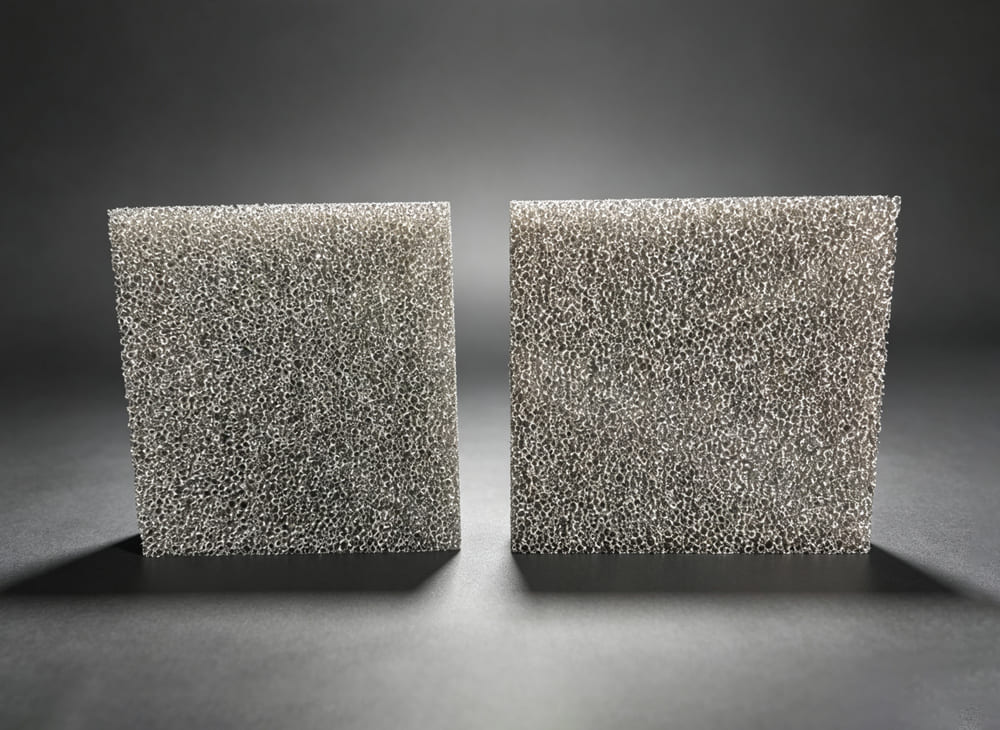
Nickel Foam
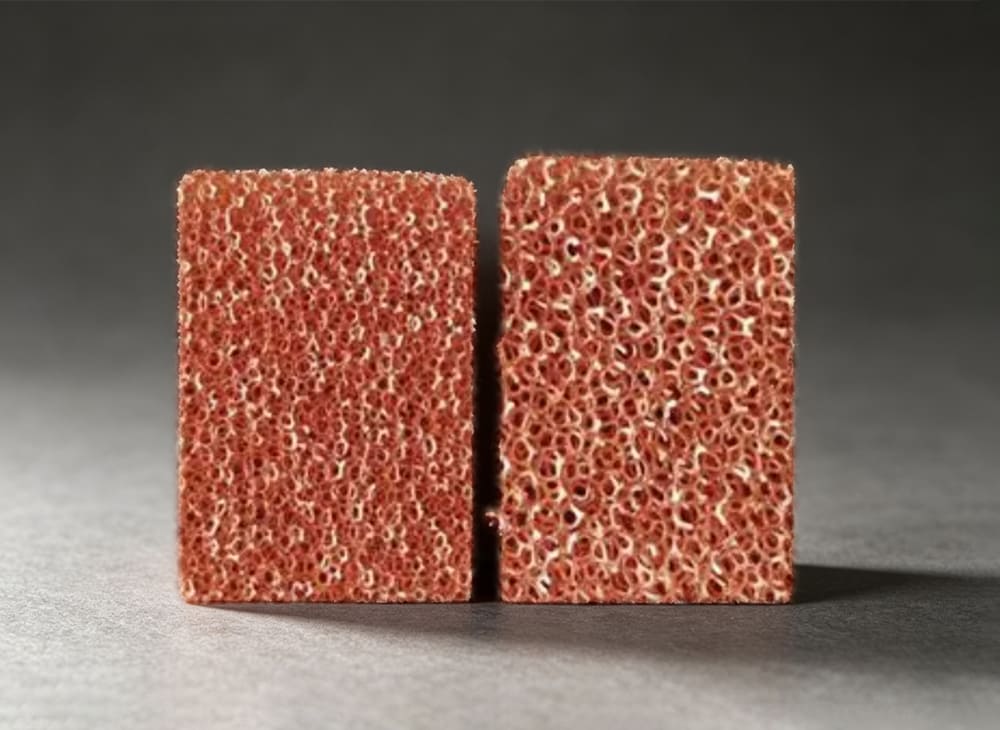
Copper Foam
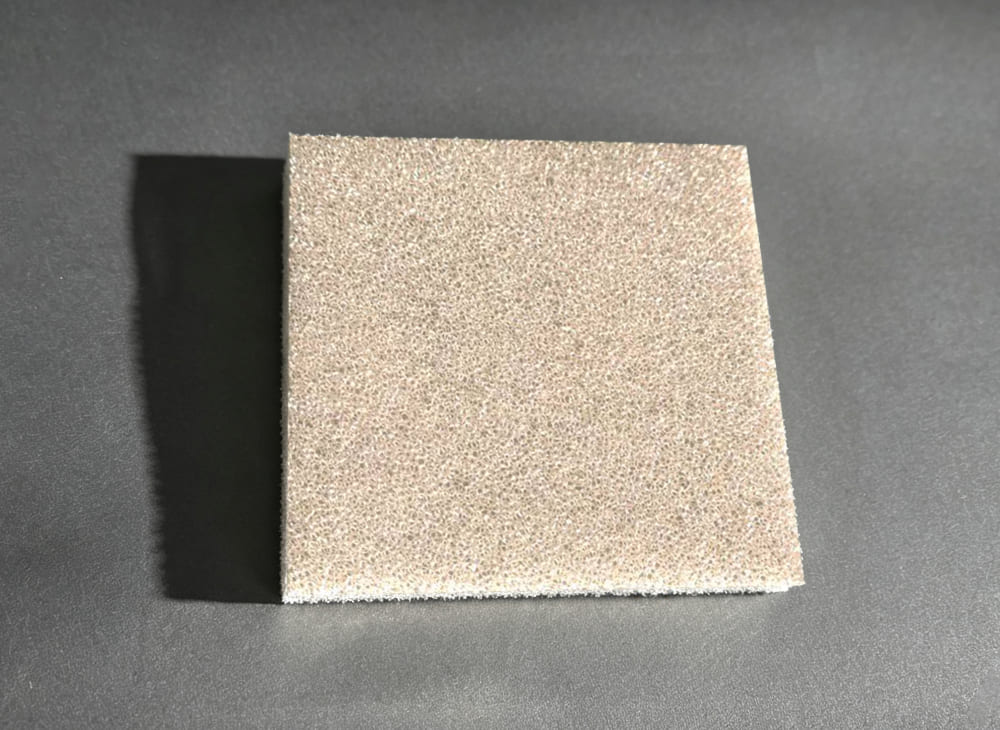
Sliver Foam
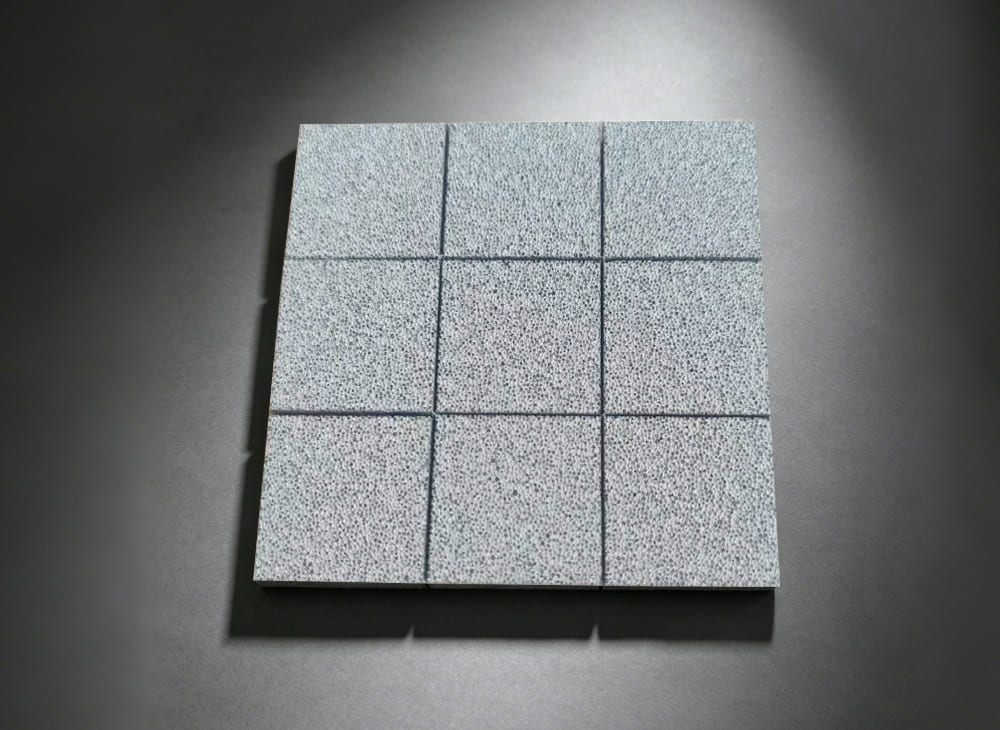
Nickel Copper Foam
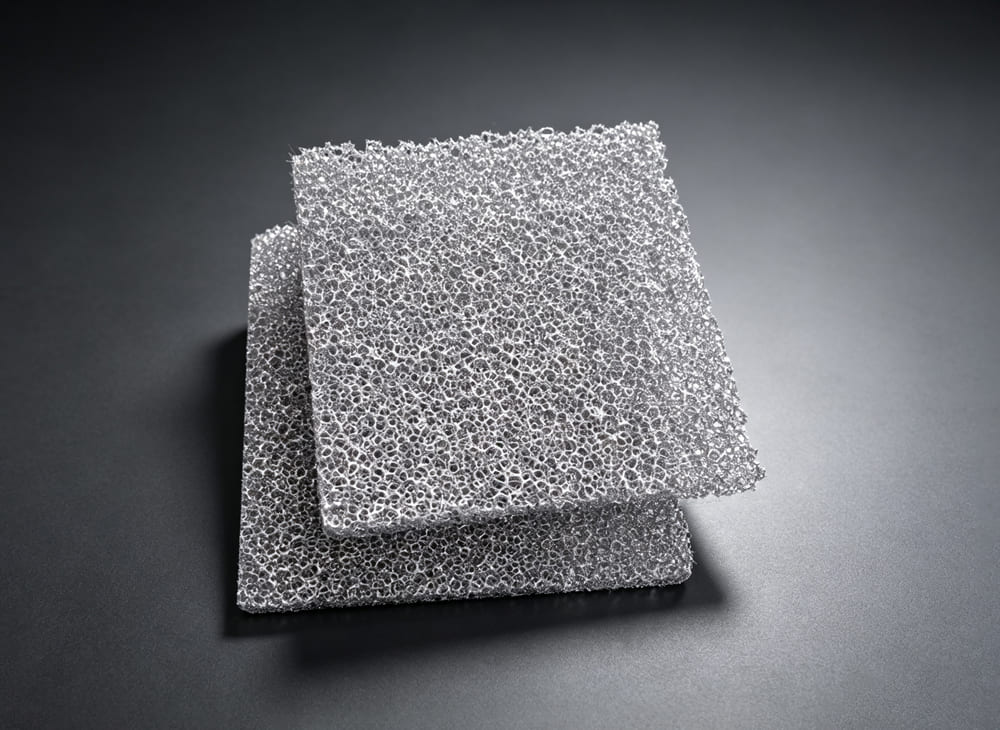
CuNiCrAl Foam
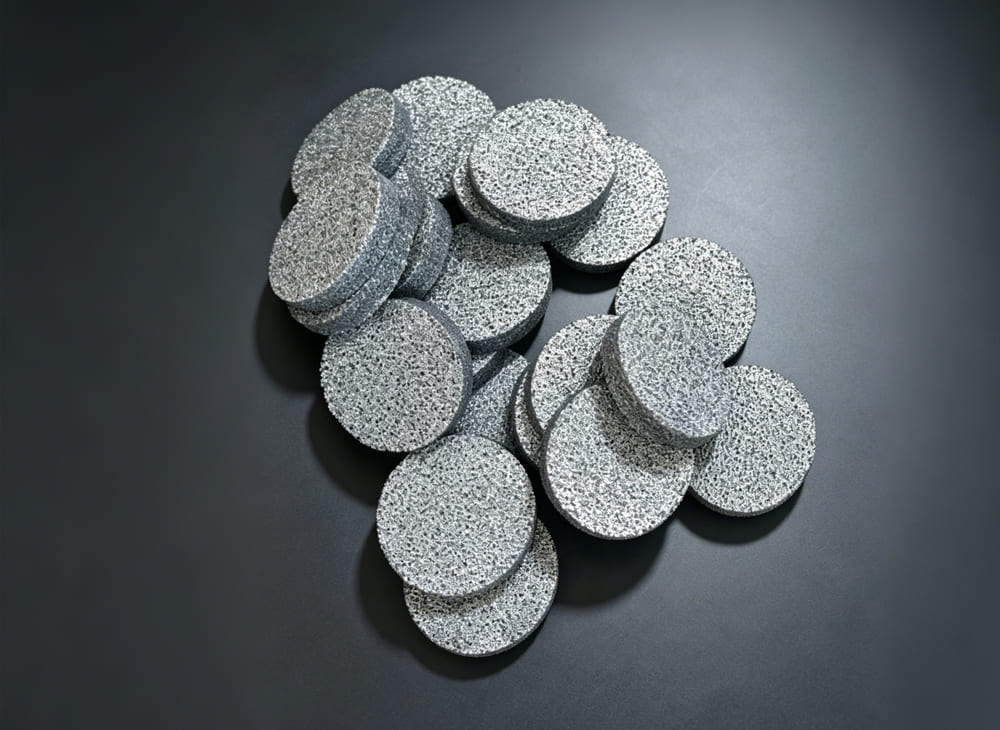
Nickel Chromium Aluminum Foam
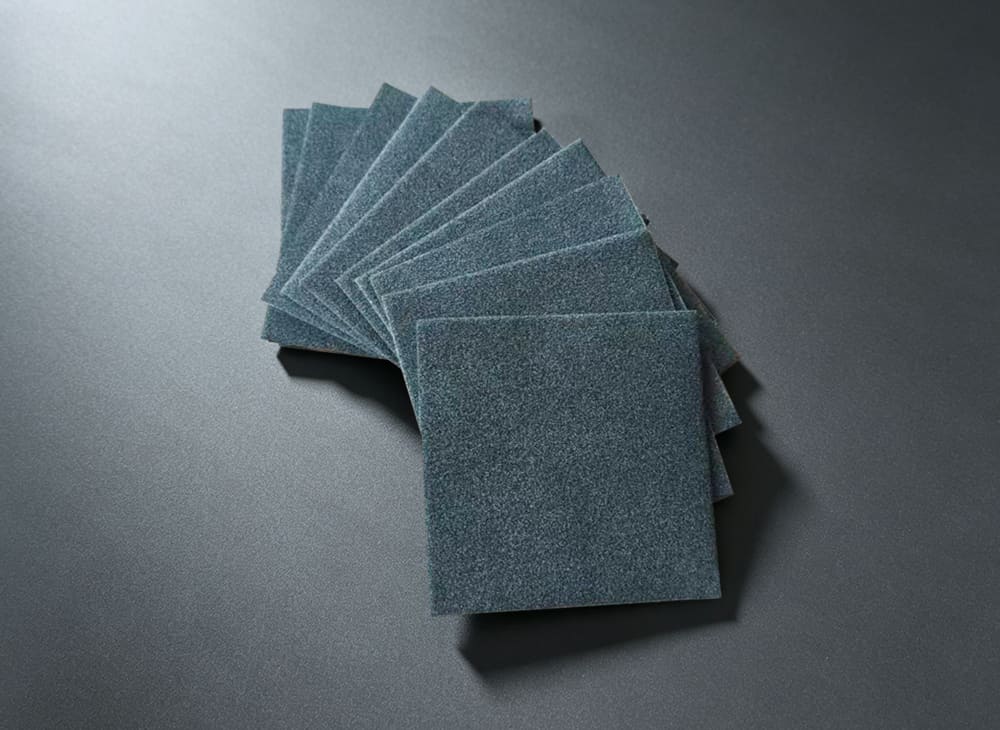
Carbon Foam
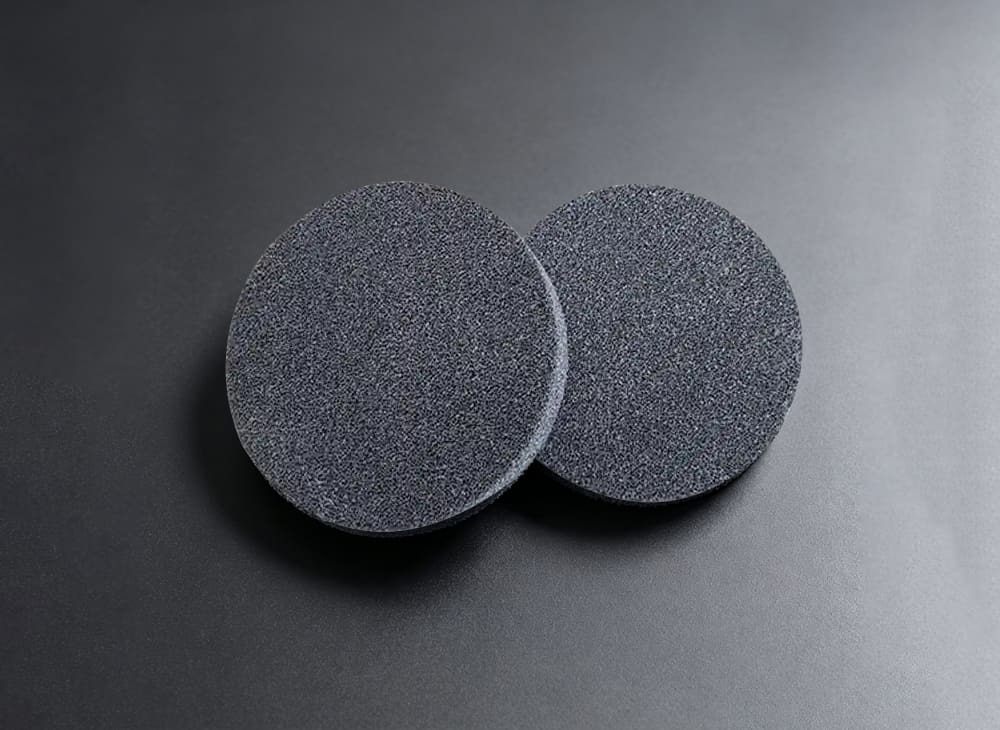
Silicon Carbide Foam
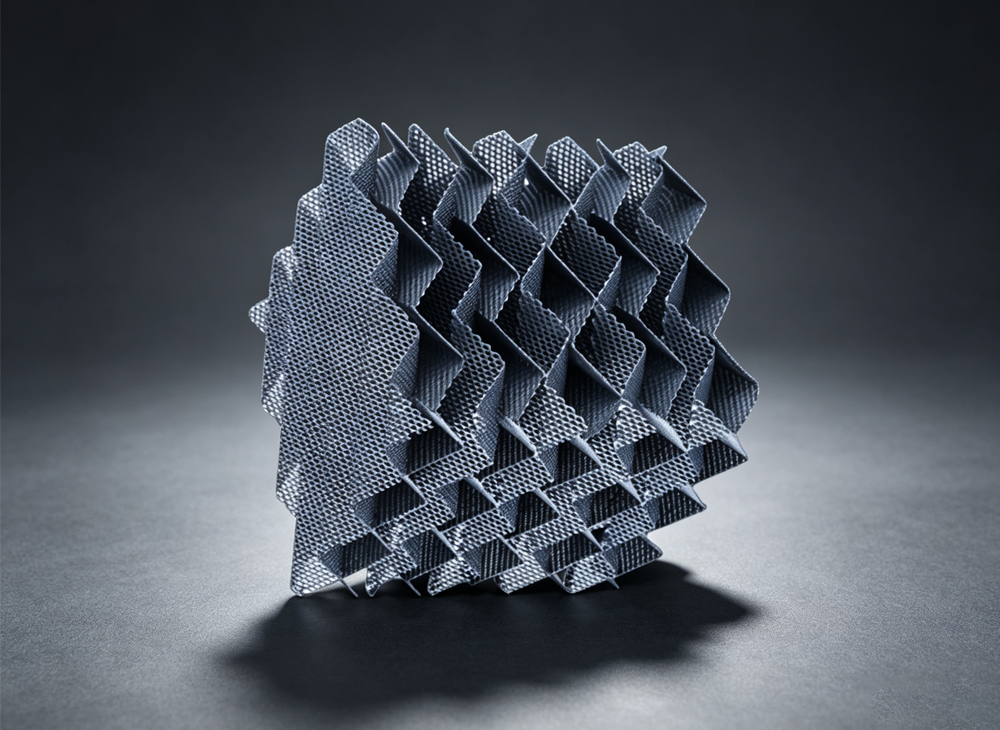
Silicon Carbide Mesh Packing
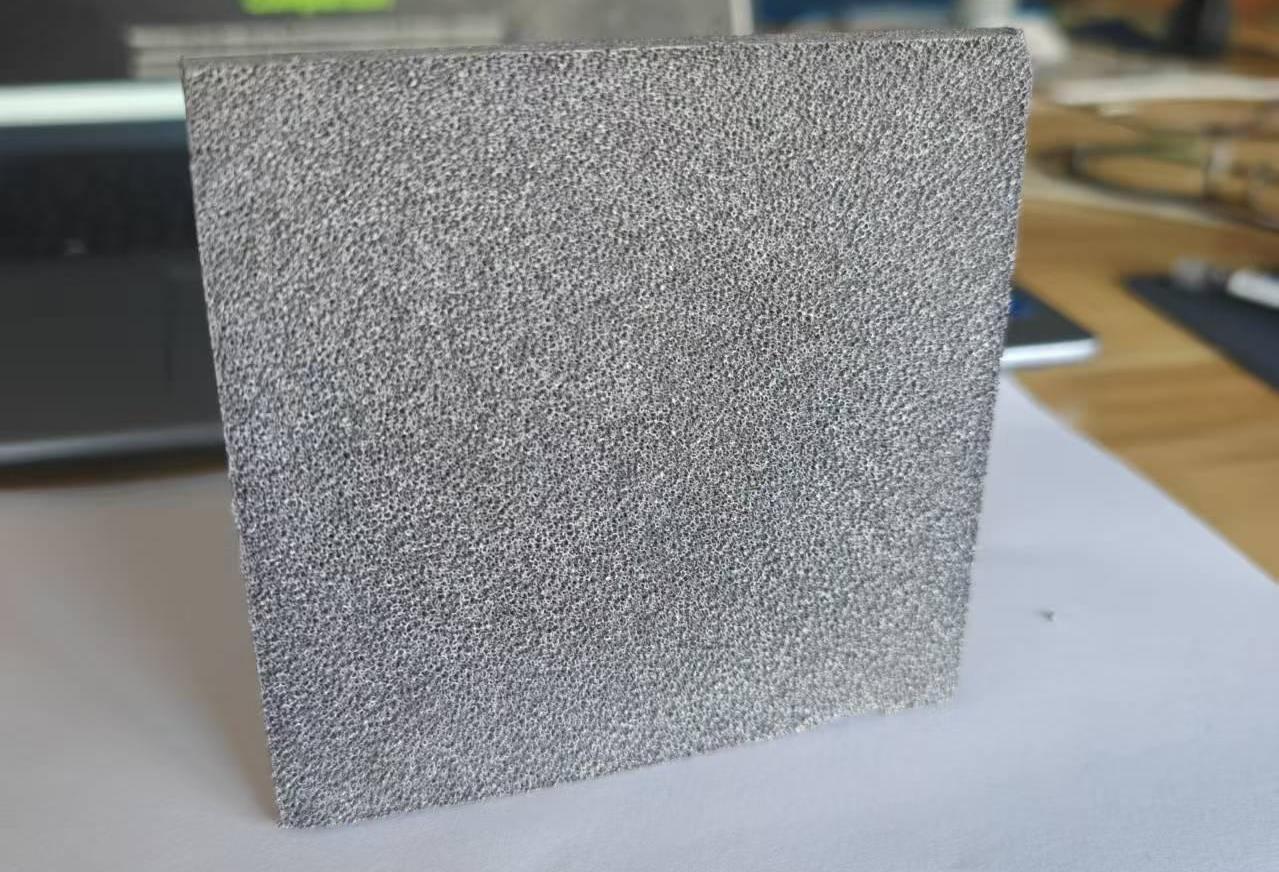
Iron Cobalt Nickel Chromium Aluminum Foam
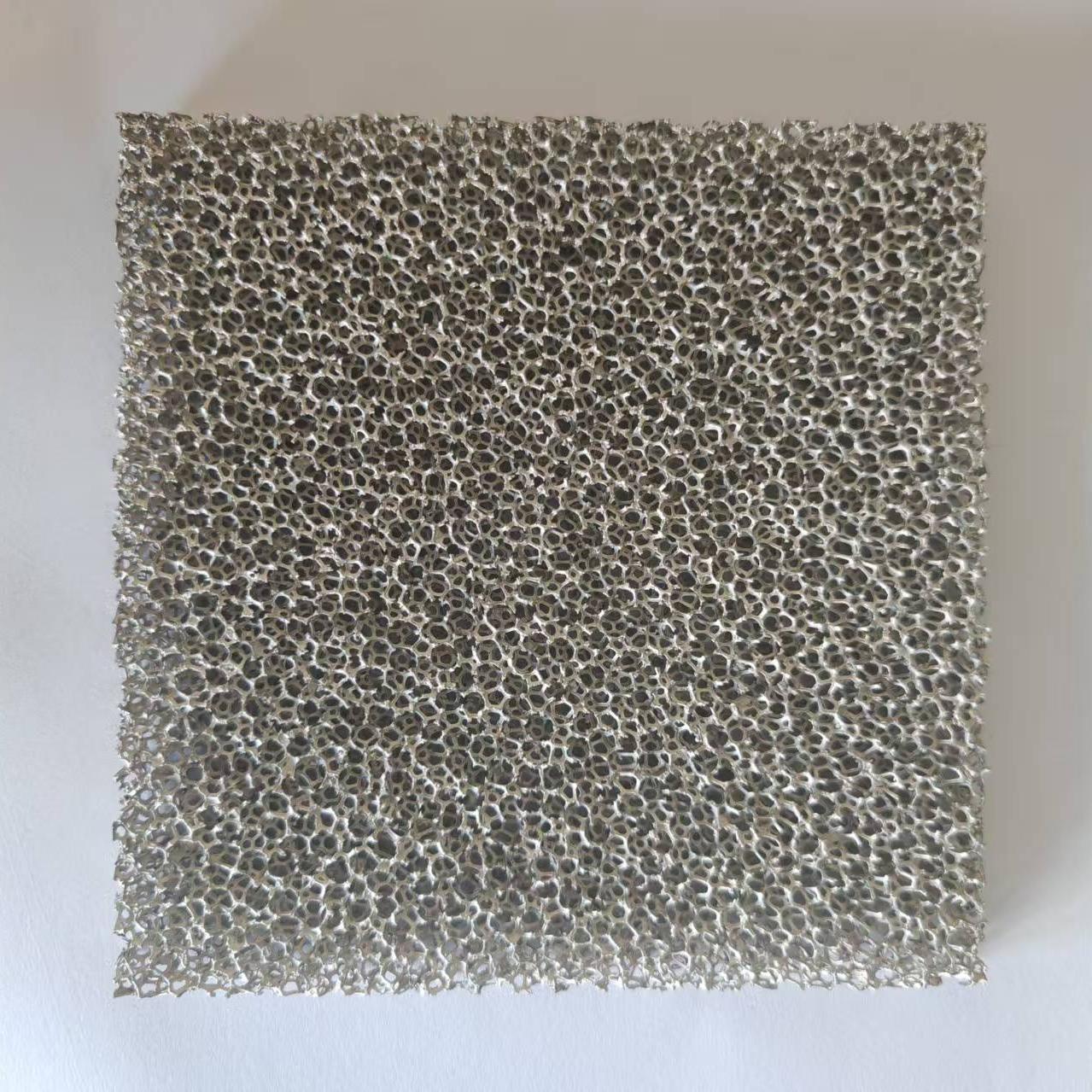
NiCoCrAlY Foam
Metal Foam Materials: A Deep Technical Comparison
Metal foam is not a single material. Its performance depends on the base material, alloy composition, pore structure, porosity, pore size, thickness, and operating environment. Selecting the right metal foam is about matching the structure to the actual engineering requirements.
Explore Material DataTechnical Properties & Applications
Detailed breakdown of the metal foams offered by HYM, focusing on where each material performs best based on structural and environmental requirements.
Nickel Foam
One of the most versatile open-cell metal foams. Its interconnected 3D pore network provides high surface area, fluid permeability, and electrical conductivity. Adjustable porosity (70–98%) and pore size (0.2–10 mm) for cryogenic hydrogen.
- Sand-control filtration (H₂S, CO₂ resistance)
- Hydrogen and cryogenic equipment (-253°C)
- Gas diffusion & EMI shielding
- Battery and electrochemical components
Copper Foam
Primarily selected when heat transfer and capillary performance are dominant. High-purity oxygen-free copper foam is specified as capillary wick material for vapor chambers. Config: 80–150 PPI, 70%–98% porosity.
- Vapor chamber wicks & GPU cooling
- AI-server thermal management
- Heat spreaders & Liquid cooling
- Electrochemical electrodes
Ni-Cr Alloy Foam
Suited for high-temperature functional surfaces rather than just lightweight structures. Continuous operating temperature of 700–1100°C. Promotes gas-air mixing for uniform infrared radiation.
- Infrared burners & Outdoor gas appliances
- Industrial heating
- Catalytic combustion
- High-temperature gas distribution
Carbon Foam
Provides a different profile from metallic foams. 3D interconnected pores, Electrically conductive and resistant to selected acids/alkalis.
- Flow-battery electrodes
- Hydrogen equipment
- High-temperature filtration
- Aerospace & Acoustic applications
Silicon Carbide Foam
Intended for environments where metallic foams lack thermal/chemical stability. Sintered SiC with 10–80 PPI. Rated for 1200°C+ long-term operation in air. High rigidity and oxidation resistance.
- High-temperature catalysis
- Molten-metal filtration
- Hydrogen and energy systems
- High-temperature furnaces
Silver & Cu-Ni Foam
Silver Foam: Selected when ultimate electrical/thermal conductivity justify the cost. Cu-Ni Foam: Balances copper's conductivity with nickel's corrosion resistance for marine and fluid environments.
- High-performance electrodes (Ag)
- Specialized thermal management (Ag)
- Marine-related equipment (Cu-Ni)
- Damping & filtration structures (Cu-Ni)
Choosing Between Metal Foam Materials
The most useful way to select a foam material is to start with the dominant engineering requirement.
For Heat Transfer
Choose Copper Foam
When thermal conductivity and capillary transport are priorities. HYM vapor-chamber application uses high-purity copper foam as a capillary wick with 5–150 PPI and 70–98% porosity.
For High-Temperature Combustion
Choose Ni-Cr Foam
When the porous structure needs to function as a combustion or infrared-radiating surface. The specified NiCr burner configuration is designed for continuous operation at 700–1100°C.
For High-Temperature Filtration
Choose SiC Foam
When oxidation resistance, rigidity, and chemical stability are more important than electrical conductivity. Identifies molten-metal filtration, catalysis, and furnace applications.
For Electrochemical Applications
Choose Carbon Foam
Particularly suitable when electrical conductivity and high internal surface area are required. Listed applications include flow-battery electrodes and hydrogen-related equipment.
For Corrosion-Sensitive Filtration
Choose Nickel Foam
When an interconnected metallic filter structure must operate in demanding fluids. HYM specifies nickel foam for H₂S, CO₂, and high-salinity formation-fluid environments.
For Cryogenic Hydrogen
Choose Nickel Foam
HYM's application data specifically describes open-cell nickel foam for -253°C liquid-hydrogen systems, with adjustable porosity (70–98%) and pore size (0.2–10mm).
Technical Properties Overview
Porosity and Pore Size Matter as Much as the Base Material. PPI should not be treated as a universal material property.
Quick Selection Matrix
Matching engineering requirements to the recommended foam material.
| Engineering Requirement | Recommended Material | Why |
|---|---|---|
| High heat transfer | Copper Foam | High thermal conductivity and interconnected structure |
| Vapor chamber wick | Copper Foam | High porosity and capillary transport |
| High-temperature combustion | Ni-Cr Foam | High-temperature and thermal-shock resistance |
| High-temperature filtration | SiC Foam | Oxidation, chemical and temperature resistance |
| Electrochemical electrodes | Carbon Foam | Conductive, porous, high internal surface area |
| Oil & gas sand control | Nickel Foam | Adjustable filtration structure and corrosion-resistant nickel base |
| Cryogenic hydrogen | Nickel Foam | Open-cell structure and suitability for cryogenic hydrogen systems |
| EMI shielding | Nickel Foam | Electrically conductive porous metal structure |
Full Material Property Comparison
Detailed technical characteristics of commonly used foam categories.
| Material | Typical Strengths | Temperature Capability | Electrical / Thermal Properties | Corrosion & Chemical Resistance | Typical Applications |
|---|---|---|---|---|---|
| Nickel Foam | High porosity, large surface area, electrical conductivity, low-temperature toughness | Application-dependent; specific Ni systems can be designed for high-temp service | Good electrical and thermal conductivity | Good resistance in selected corrosive environments; suitable for H₂S and high-salinity conditions | Sand-control screens, hydrogen systems, gas diffusion, EMI shielding, energy absorption |
| Copper Foam | Excellent thermal conductivity, strong capillary performance, interconnected pores | Application-dependent | Excellent thermal and electrical conductivity | Moderate; alloying or surface treatment may be required for aggressive environments | Heat spreaders, vapor chambers, liquid cooling, thermal management, electrodes |
| Ni-Cr Alloy Foam | High-temperature stability, thermal shock resistance, mechanical durability | 700–1100°C continuous service specified for NiCr infrared combustion | Good thermal conductivity and heat storage characteristics | Good resistance to fuel-gas corrosion and outdoor exposure in the specified application | Infrared burners, outdoor gas appliances, industrial heating |
| Cu-Ni Foam | Adjustable conductivity, corrosion resistance, structural support | Alloy and application dependent | Good electrical and thermal performance | Improved corrosion resistance compared with pure copper in selected environments | Damping components, marine-related applications, filtration, thermal management |
| Carbon Foam | Low density, high porosity, electrical conductivity, high-temperature capability | Atmosphere and grade dependent | Conductive; thermal properties depend strongly on structure and graphitization | Good resistance to selected acids and alkalis | Electrochemical electrodes, hydrogen equipment, high-temp filtration, thermal management |
| Silicon Carbide Foam | High-temperature stability, oxidation resistance, rigidity, chemical resistance | 1200°C+ long-term service in air specified for listed SiC application | Moderate-to-high thermal conductivity; normally electrically insulating unless modified | Excellent resistance to aggressive chemical environments | High-temperature catalysts, molten-metal filtration, heat transfer, furnaces |
| Silver Foam | Very high electrical and thermal conductivity | Application-dependent | Excellent electrical and thermal conductivity | Application-dependent | Electrodes, electronics, thermal management |
| Cu-Ni-Cr-Al Foam | High-temperature and corrosion-resistant alloy design potential | Alloy and application dependent | Application-dependent | Designed for demanding thermal and chemical environments | High-temperature filtration, catalysts, combustion and specialized equipment |
| Ni-Cr-Al Foam | High-temperature and oxidation-resistant alloy characteristics | Alloy and application dependent | Application-dependent | Good high-temperature oxidation resistance | High-temperature filtration, combustion, catalyst supports |
Need Custom Metal Foam Specifications?
There is no universally "best" metal foam. The correct choice depends on the interaction between Material, Pore Structure, Operating Environment, and Required Function. Contact our engineering team to discuss your specific application.
Request Custom Specifications